Dog Poop Trouble? When Trainers Suspect Giardia
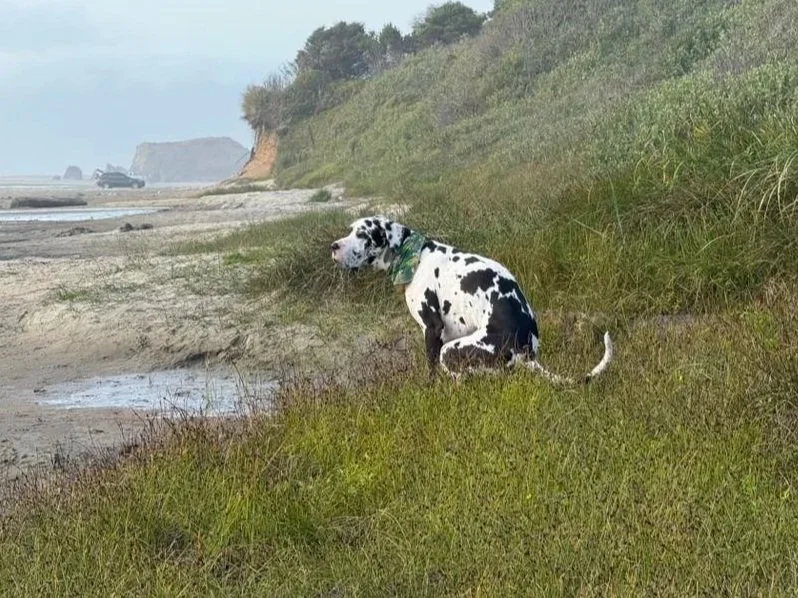
Kaizen, picturesque pooping -Photo courtesy Michele, Portland, OR
As a Certified Professional Dog Trainer — Why I Look at Medical Causes First
If your dog is pooping more than normal — especially if you see mucus or late-day loose stools — Giardia is one of the most common causes, particularly in the Pacific Northwest.
As a Certified Professional Dog Trainer (CPDT-KA), I follow the Humane Hierarchy of Dog Training.
One of the core principles is: Always rule out medical, nutritional, or physical causes before addressing behavior or training.
Because I follow the Humane Hierarchy, ruling out medical causes first ensures we collaborate, and address real health needs before considering training approaches. Giardia is incredibly common in puppies, newly adopted dogs, and dogs exposed to communal environments — and fortunately, it’s treatable.
This approach protects the dog from unnecessary correction, ensures they get appropriate medical care, and keeps training humane, ethical, and scientifically grounded.
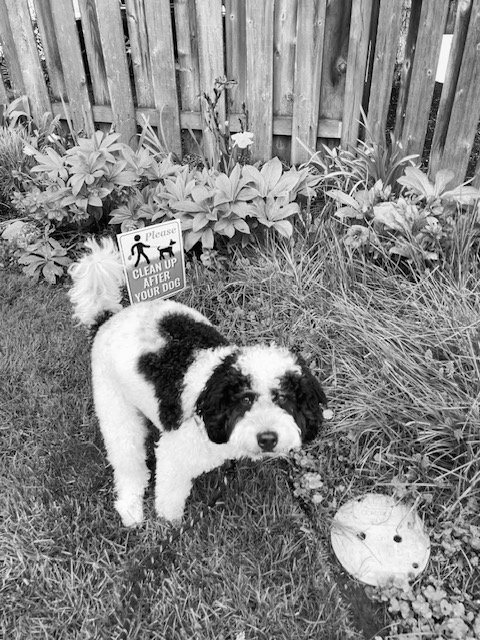
Echo patiently acknowledges his mom’s love of photography that captures the action of him pooping. -Photo courtesy Adreon & Dan, Portland, OR
When a dog has potty accidents, inconsistent bowel movements, or sudden stool changes, it is rarely a training problem. Most often, something is physically wrong — and in puppies or rescues, Giardia is one of the most common culprits.
How Giardia Shows Up in Dog Poop
Dogs with Giardia may show these symptoms:
More poops per day than the amount or type of food would normally produce
Normal or firm stool early in the day
Softer or loose stool later in the day
Mucus-covered or “gelled” stool — indicating colon irritation
Occasional diarrhea
Gassiness or belly discomfort
Intermittent, unpredictable stomach upset
Because symptoms can come and go, many owners think the issue is resolved — but Giardia persists without treatment.
If a dog has chronic loose stools or mucus, asking your vet to specifically test for Giardia is a smart step.
What Vets Can (and Can’t) Test For
Veterinarians can run a specific Giardia test, but they do not have a single standard test to detect all forms of bacterial infections that can cause diarrhea.
This means:
Giardia requires a specific antigen test or test panel.
Bacterial infection tests are generally not offered and a bacterial infection could also be a cause for concern.
Some fecal tests can miss Giardia unless run repeatedly.
Your vet may recommend testing for other parasites or running multiple stool samples.
Giardia often takes more than one round of treatment.
How Dogs Catch Giardia — Common Sources
Dogs can contract Giardia from:
Puddles, creeks, ponds, or standing water
Dog parks, especially poorly maintained ones
Shared water bowls at daycares, parks, or apartment buildings
Kennels, breeders, and shelters (high density = higher risk)
Contaminated soil or grass
Drinking from runoff areas after rain
Grooming or licking contaminated fur or paws
Children in the home that pet and put their hands in their puppies’ mouths
Because Giardia cysts can survive in the environment for weeks to months, it’s very easy for dogs — especially puppies — to reinfect themselves.
Treatment, Diet, and Support for Dogs with Giardia
Veterinarians have effective medication to treat Giardia, though sometimes multiple rounds are needed.
As the dog parent, you can support recovery through diet and supplemental care:
1. Gentle Diet: Chicken & Rice
A bland diet gives the colon a chance to calm down.
2. Pumpkin With Apple Pectin
Pumpkin powder with apple pectin can help firm the stool and soothe the colon. I recommend - Diggin’ Firm Up! Pumpkin Powder — see the George & Friends Dog Training recommended equipment page in the Natural Anxiety Solutions section of the page. I have found for myself and many dog parents, that this brand works better than canned pumpkin.
3. Probiotics
Dog-safe probiotics help restore the healthy gut bacteria disrupted by Giardia.
If using human probiotics:
Check capsules carefully
Avoid any that include Xyletol — extremely toxic to dogs
4. Household Sanitation
To prevent reinfection:
Wash bowls daily
Clean bedding every 2–3 days
Steam clean carpets
Pick up poop immediately
Avoid puddles and standing water
Keep the dog away from shared bowls for 10–14 days
Final Takeaw
Sources & References
Prevalance of Giardia in Symptomatic Dogs (and Cats) in the United States
November and December higher incidences Giardia in Western United States
Pumpkin Product:
Diggin’ Firm Up! Pumpkin Powder — see the George & Friends Dog Training recommended equipment page in the Natural Anxiety Solutions section of the page.