Does your dog require different early training
Top 7 Dog Breeds That Must Receive Early, Special Training
Early socialization is one of the most powerful tools you have to shape your dog’s future behavior. Research consistently shows that puppies exposed to a wide variety of people, animals, sounds, and environments during their critical development window (roughly 3–16 weeks) grow into more confident, stable, and resilient adult dogs.
But for some breeds, early socialization isn’t just helpful — it’s essential.
If you’re raising one of the breeds below, the work you do in puppyhood and through adolescence can make the difference between a calm, adaptable companion and a dog who struggles with fear, reactivity, or over-protectiveness.
1. Shiba Inu – Early Socialization Is Non-Negotiable
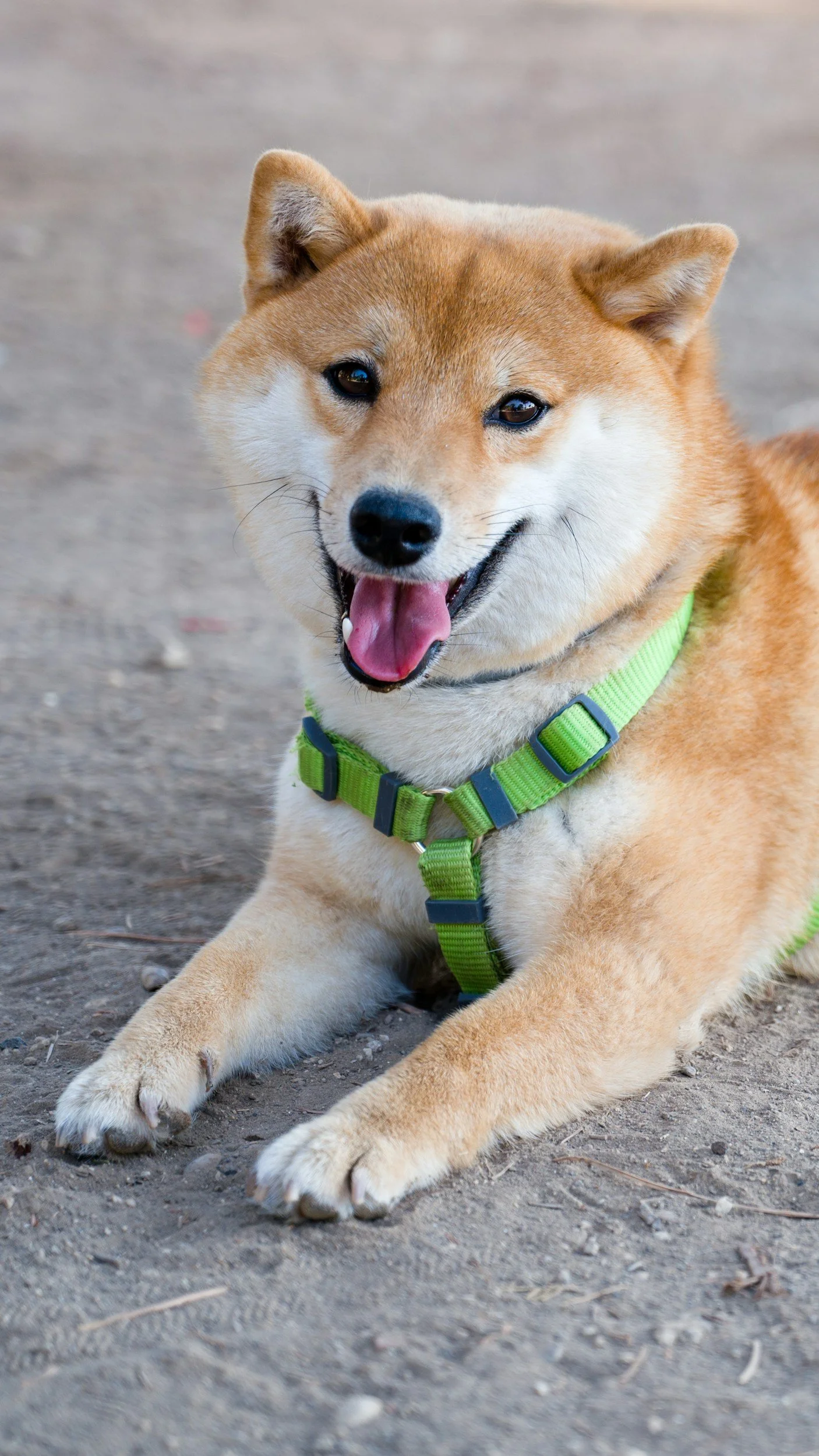
Shiba Inus are smart, alert, and famously independent. They’re often described as “cat-like” — self-directed, sensitive, and not automatically trusting of strangers.
Without very early positive exposure, Shibas can become:
• Fearful of handling
• Reactive to strangers or dogs
• Intolerant of grooming and vet care
✔ Socialization should start as soon as they come home
✔ Focus heavily on handling, people of all ages, calm dogs, and new environments
✔ Missed experiences are much harder to fix later
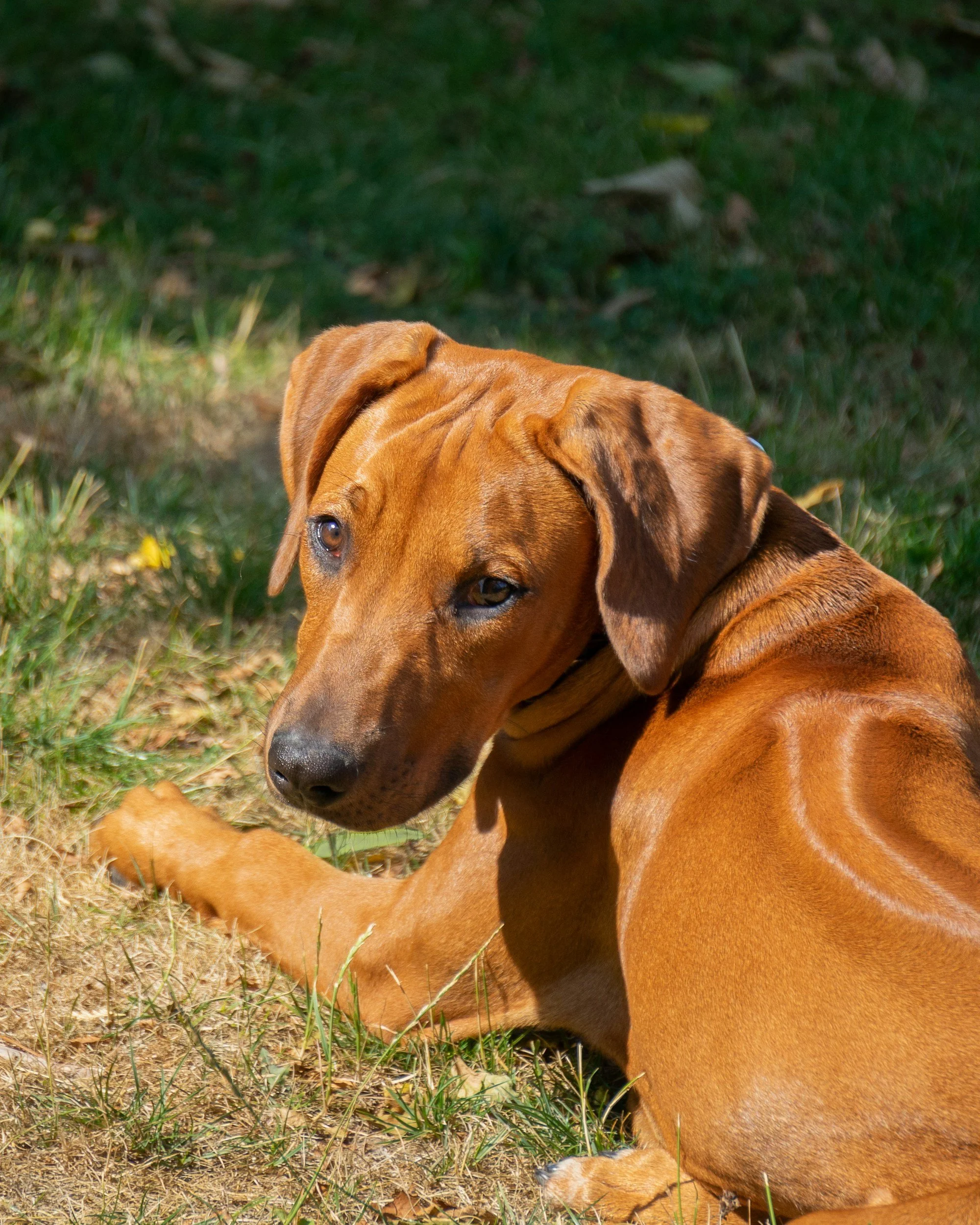
2. Rhodesian Ridgeback — Prey Drive Needs Structure
Ridgebacks are wired to chase. They need early socialization because they’re naturally reserved and independent.
Without early work, that drive doesn’t disappear—it redirects. Without early socialization they don’t become “bad” — they become distant and hard to guide.
Focus on:
Impulse control
Recall foundations
Exposure to small animals (controlled)
Adolescence watch-out:
Boundary testing and intensifying prey drive through 2–3 years.
✔ Learn From George focuses on engagement, impulse control, and real-world neutrality
✔ Adolescence is when Ridgebacks test boundaries — structure matters
3. German Shepherd – Confidence Before Protection
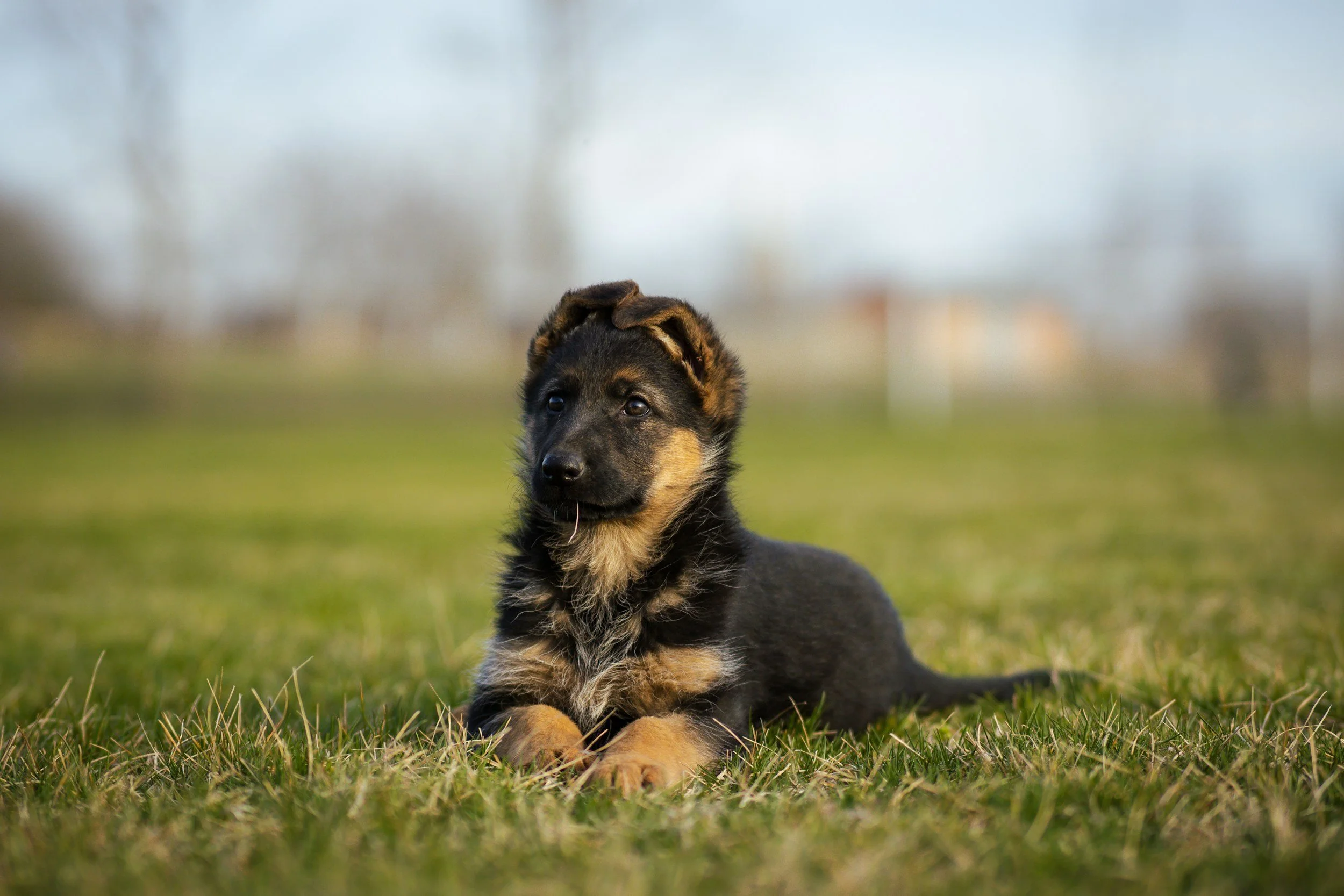
Shepherds don’t need encouragement to “protect.” They need to learn when not to.
Without socialization:
Fear becomes reactivity
Alertness becomes hypervigilance
Focus on:
Neutral exposure (not excitement)
People approaching calmly
Environmental confidence
Adolescence watch-out:
Leash reactivity and barrier frustration (6–14 months).
They’re sensitive to their environment. If the world feels threatening early on, they grow into dogs who watch everything — instead of relaxing into life.
✔ We prioritize calm exposure over hype
✔ We teach Shepherds to observe without reacting
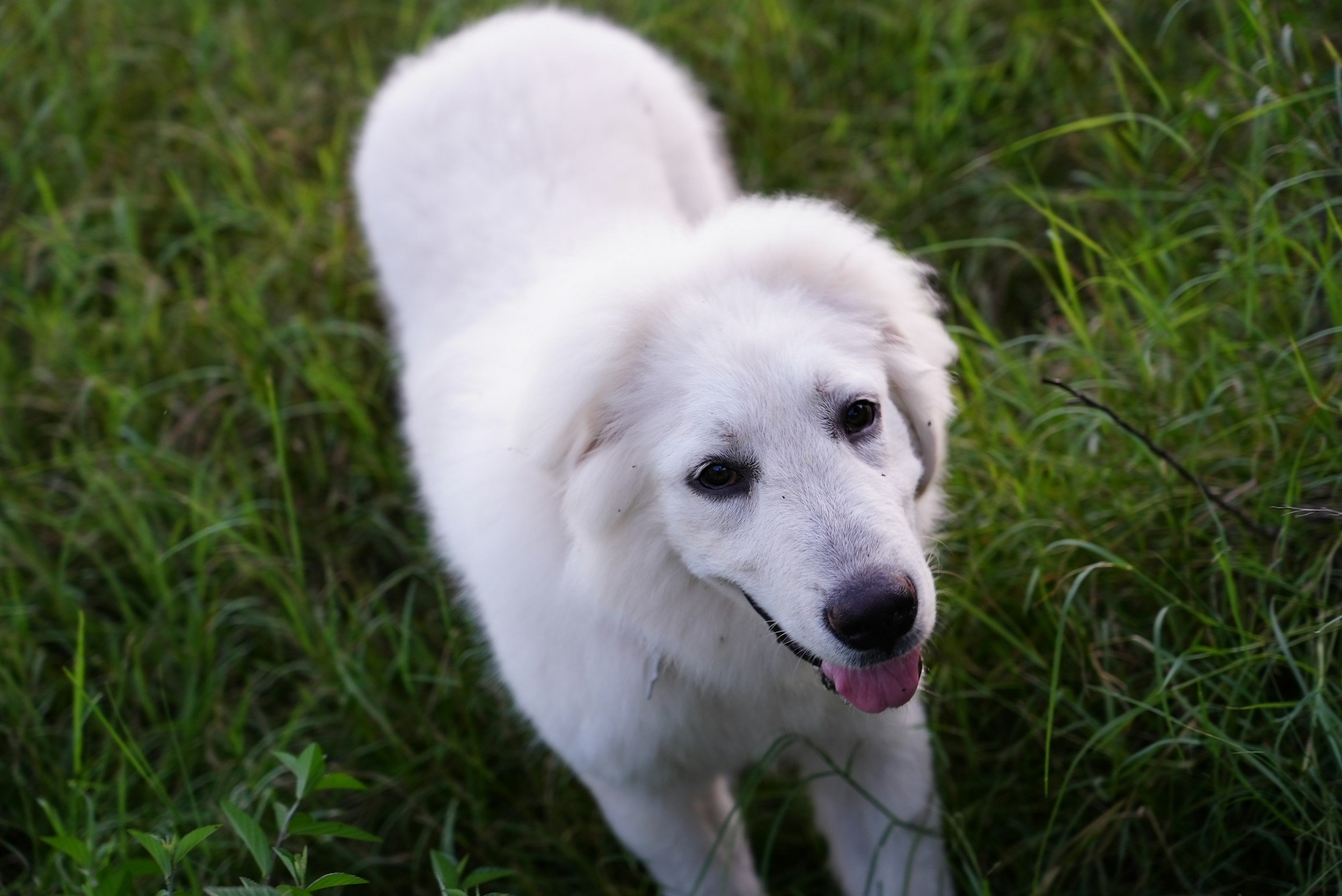
4. Great Pyrenees – Guardian Instincts Must Be Shaped Early
Pyrs were bred to think independently. They will decide what’s a threat. If you don’t teach them what’s safe, they’ll decide for you.
Focus on:
People entering your space
Exposure on and off property
Calm neutrality
Adolescence watch-out:
Territorial barking and guarding behaviors emerging 6–18 months.
Great Pyrenees need early socialization so their protective instincts don’t turn into over-protectiveness.
They’re bred to make decisions — which means humans must teach them what doesn’t need guarding.
✔ Learn From George focuses on:
• Visitor neutrality
• Handling tolerance
• Environmental confidence
5. Great Dane – Big Dogs Need Early Manners
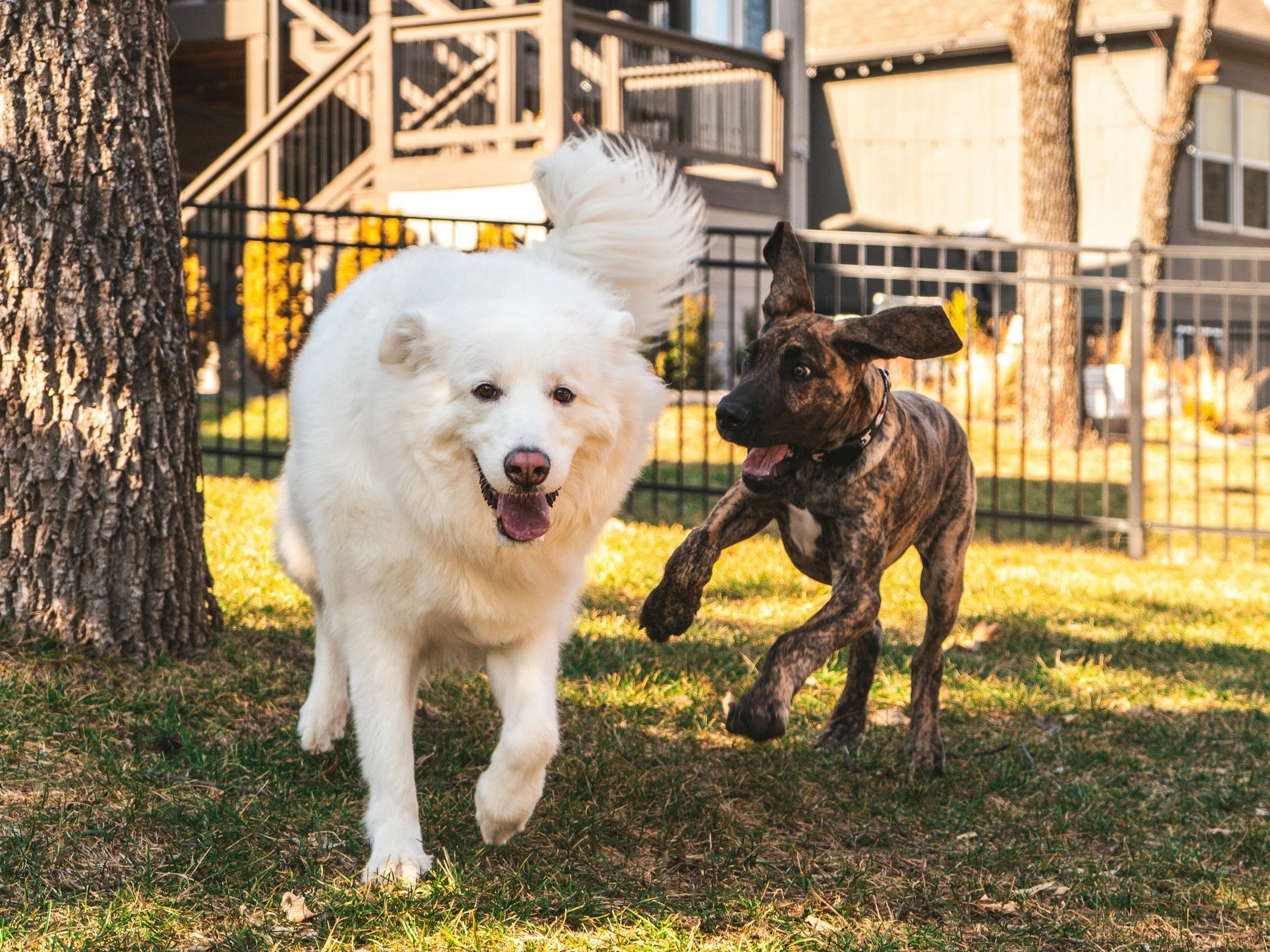
Size Amplifies Everything
A fearful small dog is manageable.
A fearful 150-pound dog is not.
Focus on:
Body awareness
Calm greetings
Exposure to surfaces, environments, handling
Adolescence watch-out:
Late-onset fear (often closer to 12–14 months). Great Danes need early socialization because their size outpaces their emotional maturity.
They’re gentle — but without early structure, they become overwhelmed, clumsy, and pushy. They can also become leash reactive.
✔ We work on:
• Calm greetings
• Loose-leash walking
• Body awareness
6. Rottweiler – Confidence Needs Direction
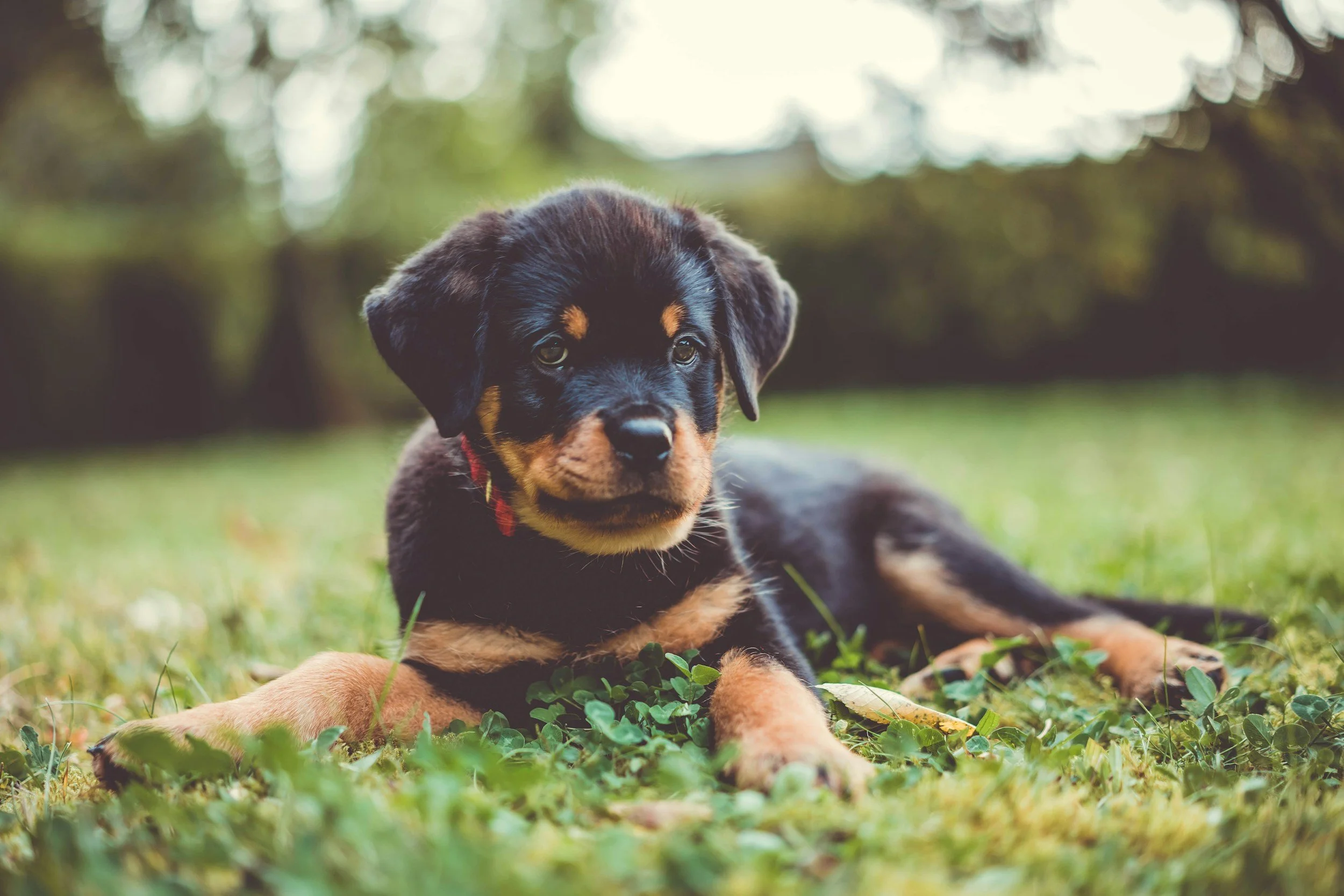
Rottweilers don’t need help being powerful. They need clarity.
Without it:
Suspicion grows
Guarding escalates
Focus on:
Visitors in the home
Calm public exposure
Clear structure
Adolescence watch-out:
Subtle stiffness or watchfulness around guests—early signs of territorial behavior.
Rottweilers need early socialization to learn when not to protect.
They’re loyal, observant, and powerful. Missed early exposure leads to suspicion — not safety.
✔ Learn From George builds:
• Neutrality
• Impulse control
• Clear communication
7. Doberman Pinscher – Intensity Needs Balance
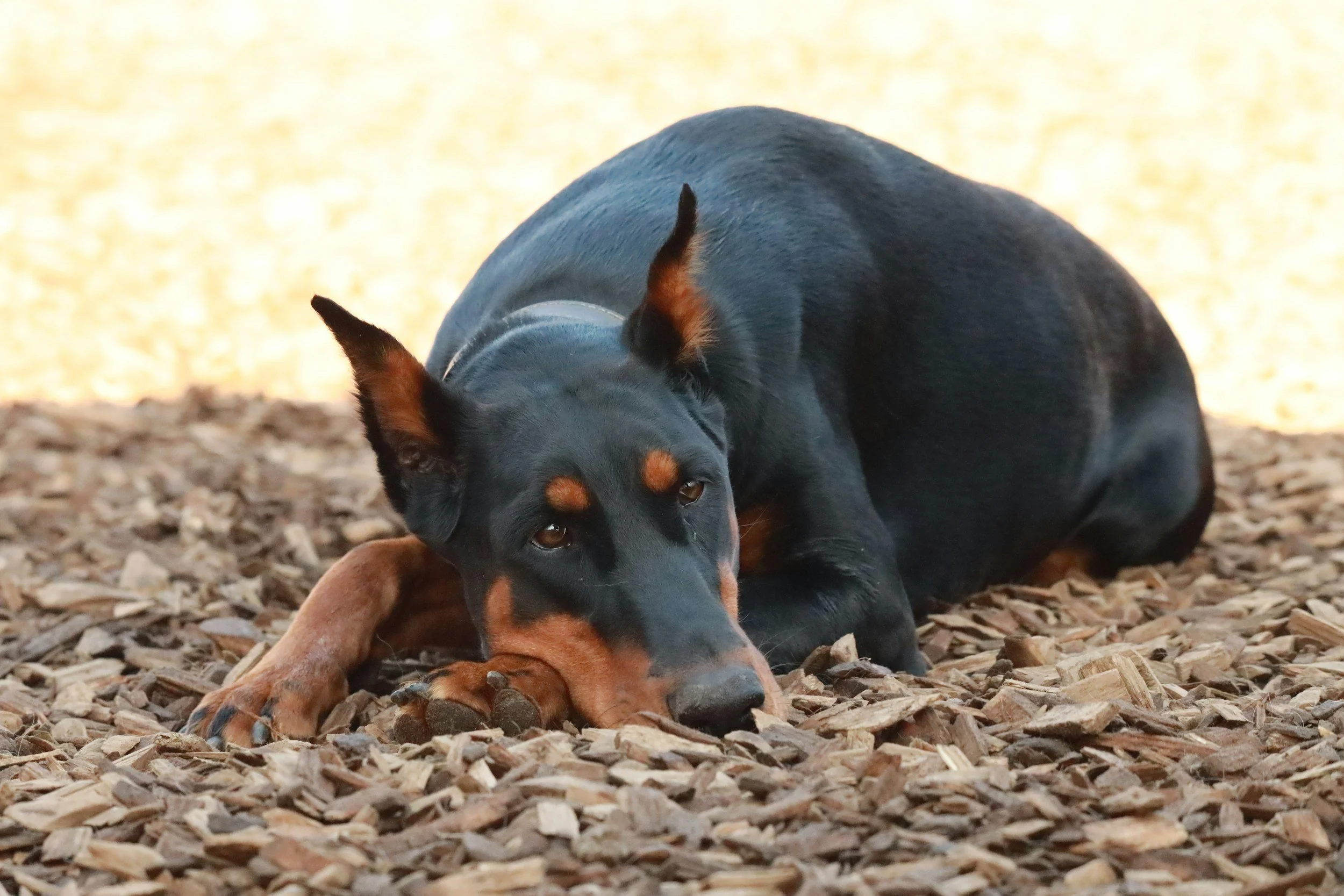
Sensitivity Drives Reactivity. Dobermans feel everything. Without early balance, that sensitivity becomes:
Anxiety
Over-attachment
Defensive behavior
Focus on:
Exposure to many types of people
Independence-building
Environmental stability
Leadership
Adolescence watch-out:
Sudden fear responses and increased alertness. Larger than usual need for physical play and exercise with other dogs. Dobermans need early socialization to prevent anxiety and over-attachment.
They bond hard. Without early balance, they struggle with separation, strangers, and change.
✔ We help Dobermans:
• Build independence
• Stay emotionally regulated
• Focus through adolescence
🧪 What Does the Science Say?
Research shows puppies exposed to varied, positive experiences early in life show less fear and aggression and better adaptability as adults.
If You Missed the Window During Adolescence
You’re not stuck—but you are on a different path.
Adult dogs can improve through:
Desensitization (controlled exposure below threshold)
Counterconditioning (pairing triggers with positive outcomes)
But this is not casual training.
Research shows nearly 44% of owners struggle to follow through without professional support.
Work with Nationally Certified in Dog Training, Risa at George & Friends Dog Training.
Book a free phone consultation
Key sources:
• AVSAB – Puppy Socialization Position Statement
• Howell et al., 2015 – Early experience shapes adult behavior
• Bray et al., 2020 – Canine adolescence causes temporary training regression
Frequently Asked Questions
FAQ’s
When does dog adolescence actually start?
Adolescence can begin as early as 4–5 months, even though many people expect it at 6 months. The exact timing depends on breed, size, sex, and individual development.