Puppy Potty Training Schedules: Why Every Puppy Is Different
While many articles offer simple, one-size-fits-all rules, the truth is that every puppy’s potty schedule is unique. Genetics, early development, health, environment, and training before a puppy even comes home all influence how often and how successfully a puppy can potty outside.
This guide explains how long puppies can typically hold their bladders, what events trigger potty needs, and why early breeder practices and health issues can create very different potty schedules from puppy to puppy.
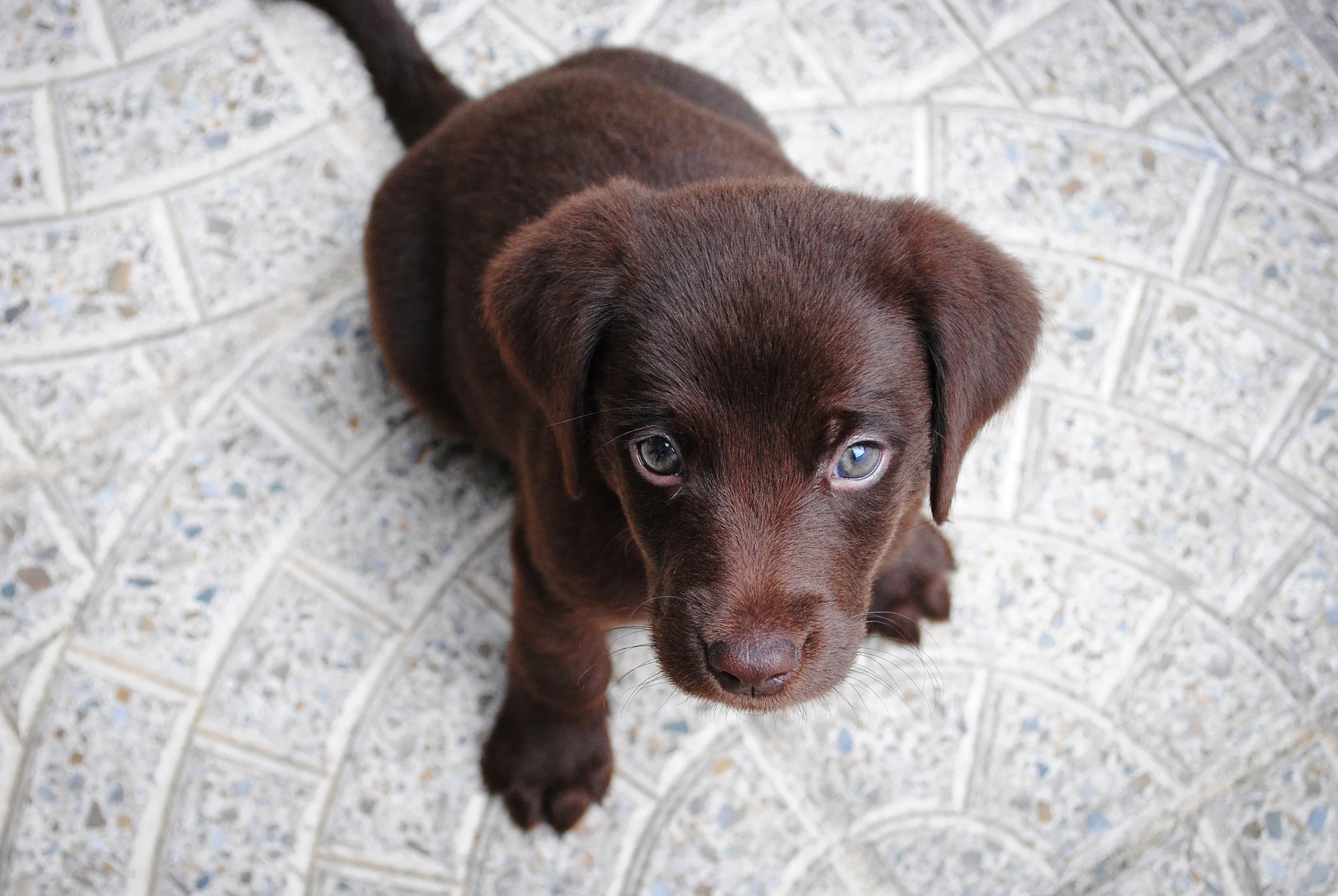
Potty training is one of the first—and most important—skills your puppy will learn.
How Long Can a Puppy Hold Their Bladder?
A common guideline used by trainers and veterinarians is:
Puppies can usually hold their bladder for about one hour per month of age.
For example:
An 8-week-old puppy: about 2 hours
A 12-week-old puppy: about 3 hours
A 16-week-old puppy: about 4 hours
So, if Sadie is 12 weeks old, she will typically need a potty break about every three hours, sometimes more often depending on activity, health, and excitement level.
⚠️ This is an estimate, not a rule. Many puppies need more frequent potty trips—especially during active periods or developmental changes.
Early Development Before You Bring Your Puppy Home Matters
One often-overlooked factor in potty training success is what happens before a puppy ever comes home.
Early development and training at the breeder level can significantly affect a puppy’s potty habits, including:
Exposure to clean vs. soiled living areas
Early separation of sleeping, eating, and potty spaces
Whether puppies were encouraged to potty away from their resting area
Early crate or confinement experiences
Puppies raised in environments where they are forced to eliminate near where they sleep or eat may take longer to develop natural cleanliness habits. This means two puppies of the same age may have very different potty schedules and learning curves, even if everything else appears the same.
Additional Factors That Affect Potty Training
Potty training success is influenced by more than age, routine, and consistency. Two other important variables are the sex of the dog and breed size, both of which can affect bladder capacity, development speed, and training expectations.
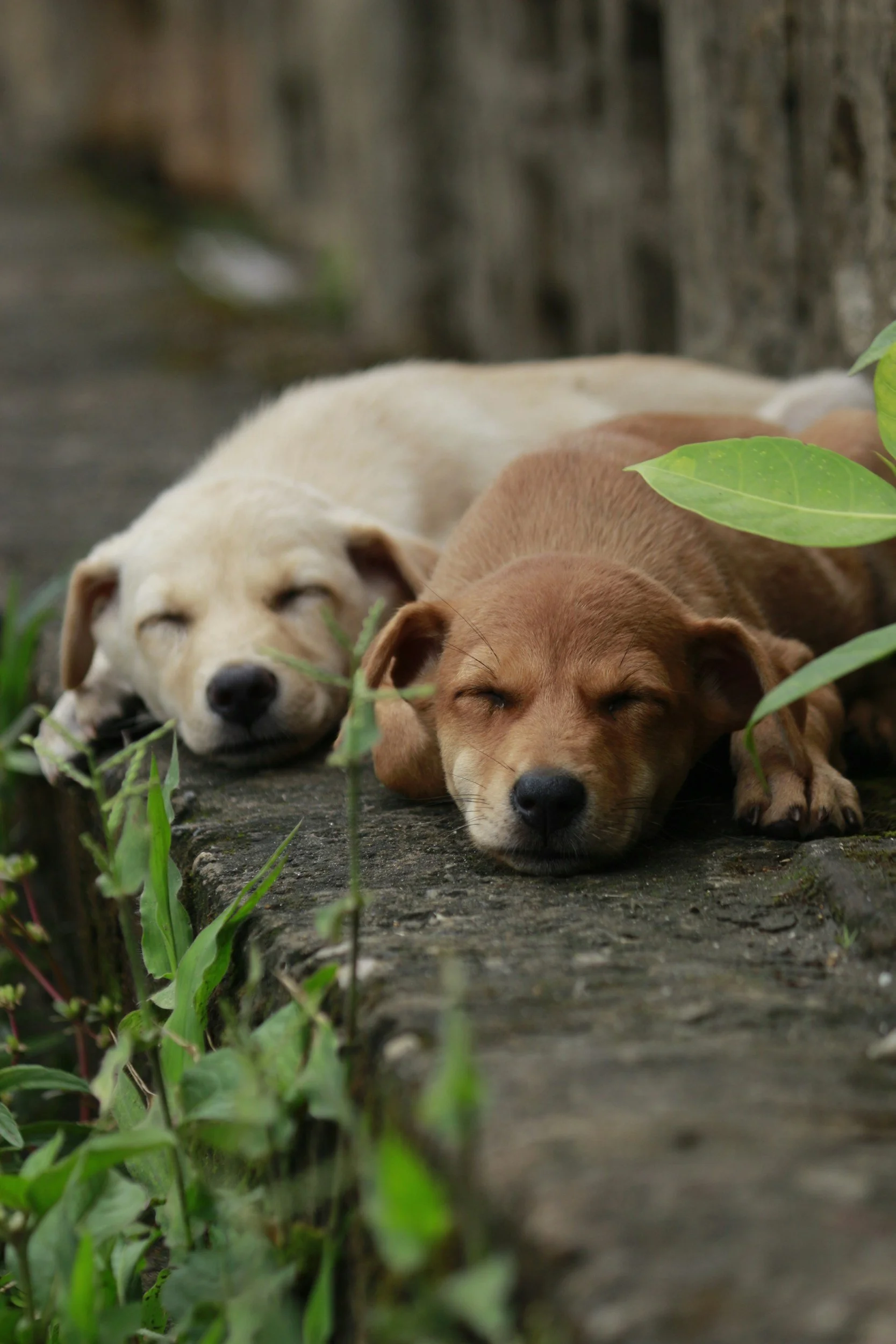
Sex of the Dog: Male vs. Female Puppies
The sex of a puppy can subtly influence potty training patterns:
Male puppies often have slightly smaller bladder control early on and may urinate more frequently, especially during excitement or transitions. As they mature, some males may also develop a tendency to pause and sniff more during potty outings, which can slow the process if not structured.
Female puppies often develop bladder control a bit sooner and may urinate more efficiently during potty trips. However, they can still struggle with frequency during growth spurts or excitement.
While sex alone does not determine success or failure, it can explain why two same-age puppies may have different potty needs.
Breed Size: Large Breeds vs. Small Breeds
Breed size plays a significant role in potty training timelines:
Large-breed puppies typically develop bladder and bowel control faster. Their larger bladders allow them to physically hold urine longer, which can make potty training feel easier earlier on.
Small-breed puppies often need more frequent potty breaks. Smaller bladders, faster metabolisms, and higher sensitivity to changes in routine mean they may appear to regress or have accidents longer into puppyhood.
Because of this, small-breed dogs often require:
More frequent potty opportunities
Longer tracking periods
Extra management to prevent accidents indoors
Expectations should always be adjusted based on size—not compared across breeds.
Health Issues That Can Affect Potty Training
Another critical factor is underlying medical issues.
At George & Friends Dog Training, we see a notable number of puppies—particularly from breeders—who arrive with health concerns that directly impact potty training, including:
Urinary tract infections (UTIs)
Giardia or other intestinal parasites
These conditions can cause:
Frequent urination
Accidents despite consistent training
Urgency or inability to hold it
Loose, frequent, or unpredictable stools
🚨 If a puppy is struggling with potty training despite a consistent schedule, medical causes must be ruled out. Successful potty training often requires addressing health issues first, alongside training.
Frequently Asked Questions
Why does my puppy still have accidents even on a schedule?
Accidents can be caused by developmental limits, excitement, inconsistent timing, early breeder environment, or medical issues such as UTIs or giardia. Contact a certified dog trainer for help.
Can breeder practices really affect potty training?
Yes. Early cleanliness habits, environment setup, and separation of potty and sleeping areas can significantly impact how quickly a puppy learns.
Should I track potty times?
Absolutely. Tracking helps customize your puppy’s unique schedule and can reveal patterns or health concerns.
When should I take my puppy out to potty?
Waking up in the morning. Waking up from a nap. After being in a crate. After eating or drinking water. After Playing. After Training sessions. Immediately after or before any excitement (guests arriving, seeing other dogs, new toys, etc.). Before going to bed at night. Consistently offering potty opportunities at these times dramatically reduces accidents and helps your puppy learn faster.
Key Takeaway
Potty training is not about forcing a puppy into a rigid schedule—it’s about understanding your puppy’s individual needs, health, and history. When early development, medical factors, and consistent tracking are taken into account, potty training becomes clearer, faster, and far less frustrating.
Footnote: Adult dogs that mark territory, resulting in potty-related issues, are not included in the information covered in this article.
Bonus Watch this video I like about crate training:
http://www.vetstreet.com/how-to-crate-train-your-dog#1_7an94fkc
References:
American Kennel Club. Setting Puppies Up for Success in New Homes: Early Socialization and Training Tips. AKC.org, 2026, https://www.akc.org/expert-advice/dog-breeding/early-socialization-training-tips-for-puppies/. Accessed 5 Jan. 2026
This article explains that puppies begin learning preferences (including where to eliminate) early in life and that early encouragement of specific behaviors can improve later training success, including housetraining habits. American Kennel Club
American Kennel Club. Set Your Puppies Up for Success: Housetraining Foundation. AKC.org, 2026, https://www.akc.org/expert-advice/dog-breeding/set-puppies-success-housetraining-foundation/. Accessed 5 Jan. 2026.
This breeder-focused guide details how encouraging elimination preferences (e.g., using a distinct pan or substrate early) helps puppies develop a sense of where it’s appropriate to potty later in life. American Kennel Club
Gazzano, Andrea, et al. “Effects of Early Gentling and Early Environment on Emotional Development of Puppies.” Applied Animal Behaviour Science, vol. 110, no. 3–4, Apr. 2008, pp. 294–304, https://doi.org/10.1016/j.applanim.2007.05.007. Accessed via ScienceDirect. This peer-reviewed study shows that puppies handled and raised in enriched early environments display calmer, more exploratory behavior—supporting the broader point that early life conditions influence later learning and adaptation, which includes training contexts like potty habits. ScienceDirect